
Utility Asset Management and Operations: Proven at Enterprise Scale
We've delivered enterprise-scale utility transformation, including IFS Cloud delivery where applicable, plus the integrations, data foundation, dashboards, and production support required to run the operation after go-live.
70+
Consultants
40+
Migrations
24/7/365
Global Support
17-Year
IFS Partnership
2025
IFS Customer's Choice Award (A&D)
Where Industry Leaders Operate
The best-run utilities in the world don't manage assets with three different versions of reality. They have one integrated system where GIS, ERP, EAM, CIS, and SCADA share the same data. When a transformer fails, every system knows it instantly. When maintenance is scheduled, there's no manual coordination.
They don't make decisions based on data that's hours or days old. They have real-time visibility into every asset, every work order, every compliance requirement. They can optimize grid performance continuously, not quarterly.
They don't rely on Bob knowing the workaround. They have systems that enforce best practices, so when 50% of their workforce retires, operations don't skip a beat. New hires are productive from day one because the system guides them through complex processes and prevents errors before they happen.
They don't scramble through spreadsheets when audits arrive. Compliance is designed into workflows, tracked consistently, and reportable without a manual fire drill. Whether the driver is FERC, NERC, state mandates, or internal controls, the operating model supports inspection-ready evidence instead of end-of-quarter heroics.
They don't treat every problem as a capital project. They've broken free from the CAPEX vs. OPEX trap and can optimize operations, not just build more infrastructure. They know when to invest in new assets and when to squeeze more life out of existing ones.
They're not fighting their systems. They're using them to operate at the highest level: maximizing asset availability, minimizing downtime, meeting regulatory requirements, and preparing for the grid of the future with distributed energy resources.
That's where you need to be. And we know how to get you there.
Getting there is not just an ERP decision. It requires secure integration across systems, a governed data backbone, decision-grade dashboards, and a support model that keeps the environment stable as operations change.
Why Most Utilities Aren't There Yet
It's not because they don't want to be. It's because generic consultants don't understand utilities.
73%
Failure Rate in Manufacturing
38%
Data Migration #1 Cause
50%
Workforce Retiring
They don't understand the CAPEX vs. OPEX trap, where regulatory rate-making structures reward capital investment but not operational efficiency. So they configure systems that perpetuate the problem instead of solving it.
They don't understand how to integrate GIS, EAM, and SCADA systems that were never designed to talk to each other. They assume "APIs will handle it" without knowing how GIS asset IDs map to EAM work orders, how SCADA sensor data translates to maintenance triggers, or how to maintain data integrity across systems with different update frequencies. Their integrations break under real-world conditions, and you discover it after go-live.
They don't understand the regulatory reality utilities operate in. Requirements vary by market, asset class, and jurisdiction. If the delivery team cannot translate those obligations into workflows, controls, and reporting, you end up with a system that looks fine in a demo and fails under audit.
They don't understand that 50% of your workforce is retiring and taking decades of tribal knowledge with them. They build systems that assume experienced operators will always be available. They won't.
The result? Between 55% and 75% of implementations fail to meet their original objectives, with 38% of failures traced directly to poor data migration. You end up with a system that doesn't work the way utilities actually operate, and consultants who can't fix it because they don't understand your business.
Talk to an Energy Expert who understands utility operations →How Tsunami Takes You There
We've implemented IFS Cloud for one of the largest utility companies in the world. We understand what best-run utility operations look like because we've built them.
-
We understand the CAPEX vs. OPEX trap. We know how to configure systems that surface operational optimization opportunities and quantify their value, so you're not just building more infrastructure, you're maximizing what you already have.
We understand GIS, EAM, and SCADA integration. We know how to create a single source of truth for asset data, so when a transformer fails, every system sees it instantly. When maintenance is scheduled, GIS, EAM, and SCADA are synchronized automatically.
We understand regulatory complexity. We design workflows and reporting that align to your regulatory environment, including FERC and NERC requirements where applicable, plus state-level obligations. The objective is consistent evidence, traceability, and reporting without manual reconciliation.
We understand the workforce crisis. We configure systems that capture tribal knowledge and enforce best practices, so when Bob retires, operations don't skip a beat. New hires are productive from day one because the system guides them through complex processes.
-
Generic consultants treat data migration as field mapping: Source Column A goes to Target Column B. That doesn't work for utilities.
Our WAVES methodology (Wash, Analyze, Verify, Enhance, Store) eliminates the load-error-fix-load cycle that kills timelines and budgets. We completed Fleet 2 with 30% fewer resources and a reduced timeline compared to Fleet 1.
We validate data integrity before migration, not after. We catch configuration conflicts before they break the system. We build a governed data supply chain: integrity checks, validation, and practices to maintain and store data so the operation can trust it long after cutover.
-
We design and build custom APIs and integrations to reduce redundant data entry and connect the data supply chain across platforms.
When off-the-shelf solutions don't fit, we build custom applications using rapid prototyping and agile methods to automate workflows and improve data quality at the point of capture.
-
Beyond reporting, we help define the KPIs that actually measure operational success and build decision tools that fit into your current architecture.
-
Our teams support how the business uses the system, then use support trends to improve training and documentation for continuous improvement.
Where required, we can architect, host, and support production environments across public, private, or government-secure cloud options.
-
We support 16 IFS instances globally with 24/7/365 operations.
We know how to configure IFS Cloud for utilities:
- Integrated asset management (GIS, EAM, SCADA in one system)
- Real-time visibility (no data latency, no manual coordination)
- Predictive maintenance (sensor data + usage patterns = fix before failure)
- Compliance support (workflow controls, traceability, and reporting aligned to applicable FERC, NERC, and jurisdiction-specific requirements)
- DER integration (distributed energy resources managed systematically)
- Knowledge capture (systems enforce best practices, not tribal knowledge)
Delivered at Enterprise Scale
We implement IFS Cloud for one of the largest utility companies in the world. Enterprise-scale asset management, regulatory compliance, and operational optimization.
This is proof we can handle the complexity and scale of major utility operations. This is proof we know how to take utilities to where industry leaders operate.
The Cost of Waiting
Regulatory expectations are increasing:
- Asset and outage reporting requirements continue to tighten
- Cyber and critical infrastructure controls are expanding
- Wildfire and resilience expectations are rising in higher-risk regions
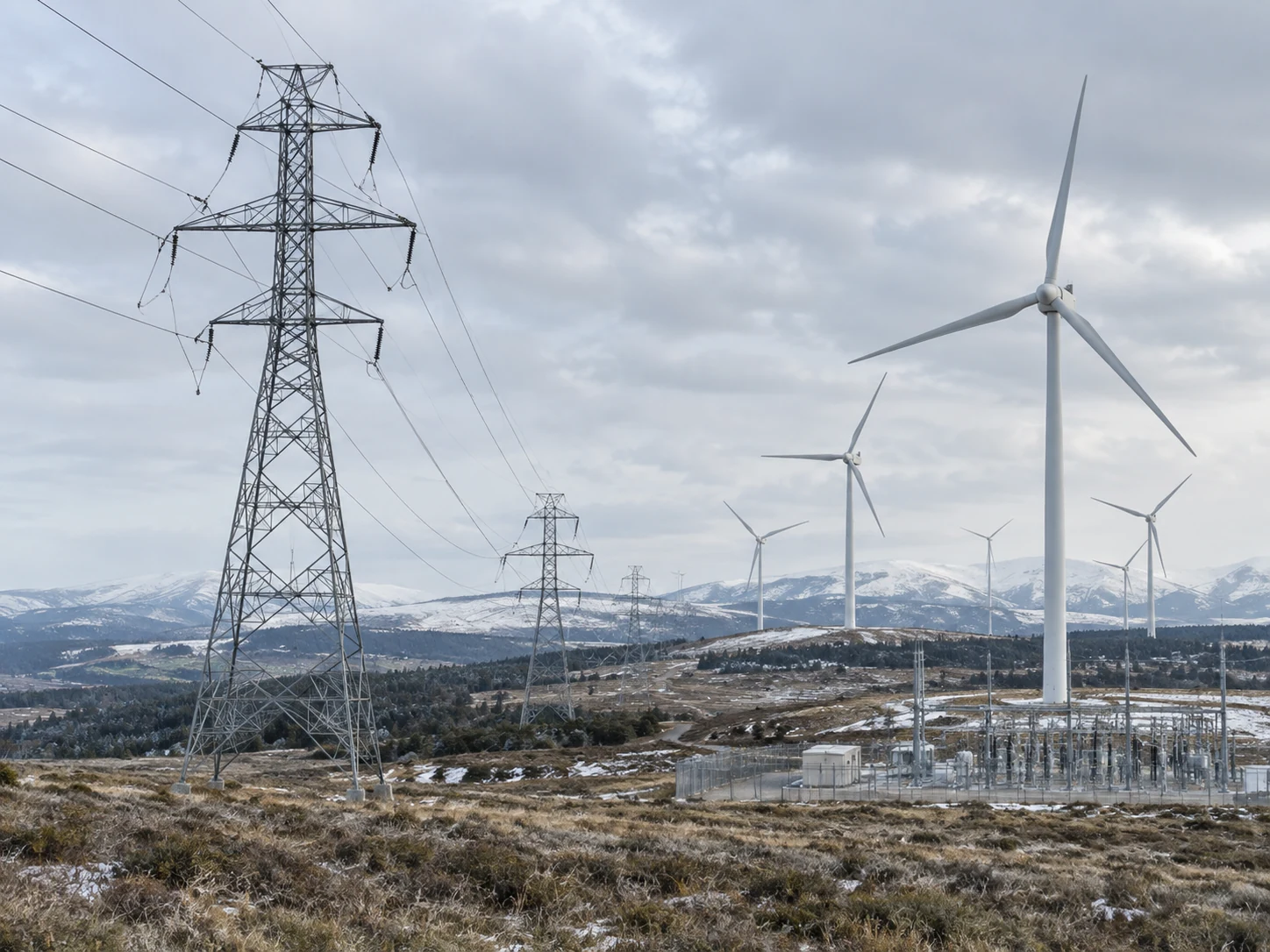
The grid is changing: Distributed energy resources (solar, wind, battery storage) are proliferating. Utilities that don't modernize grid management will struggle to integrate renewables, optimize grid performance, and meet regulatory mandates for clean energy.
The gap between where you are and where industry leaders operate is widening. Every day you operate with fragmented systems, data latency, and manual compliance processes, you fall further behind.
Frequently Asked Questions
-
How long does implementation take for utilities?
Most consultants quote 18-24 months. We complete implementations in 15-21 months because our team understands asset hierarchy configuration, work order management for field crews, and regulatory compliance workflows before starting your project.
-
Can you help us automate compliance reporting?
Yes. We configure systems to meet requirements: access controls, audit logging, incident response workflows, and automated compliance reporting. When audits arrive, you generate compliance reports with one click, not scramble to assemble documentation from 15 different systems.
-
How do you help capture tribal knowledge before experienced workers retire?
We configure systems to enforce best practices: standard operating procedures built into workflows, checklists for complex tasks, and automated quality checks. New hires follow the system, not someone's memory. That's how you transform operations from people-dependent to process-driven.
-
What makes Tsunami different from other implementation partners?
We blend operational expertise with system specialization. Our team has spent years in utility operations, asset management, and regulatory compliance. We don't learn your business during the project. We already know how utilities work. And we deliver more than just the platform: integrations, data governance, dashboards, custom applications, and production support.
-
Can you integrate with our existing systems?
Yes. We've integrated IFS Cloud with outage management systems, SCADA, GIS, customer information systems, and legacy databases. We use APIs, middleware, and custom integrations to keep data moving between those systems, so your field crews have real-time visibility into work orders, asset history, and material availability.
-
Is getting there just an ERP decision?
No. Getting there requires secure integration across systems, a governed data backbone, decision-grade dashboards, and a support model that keeps the environment stable as operations change. We deliver all of those layers, including IFS Cloud delivery where applicable.
Talk to an Energy Expert
A 30-minute call with someone who's delivered enterprise-scale utility transformation.
We pair technical delivery with program management, change management, training, and communication strategy so the solution is adopted and operationalized across the workforce.